
Understanding Land Ownership in Vanuatu A Comprehensive Guide 689097843
Posted on
Understanding Land Ownership in Vanuatu: A Comprehensive Guide
Vanuatu, a stunning archipelago in the South Pacific, is known for its breathtaking landscapes, vibrant culture, and warm climate. But beyond its natural beauty, Vanuatu also has unique land ownership laws and practices that potential buyers and investors must understand. If you are considering vanuatu land ownership buy land in vanuatu, it’s crucial to be aware of the legal framework and cultural significance surrounding land ownership in this island nation.
The Historical Context of Land Ownership in Vanuatu
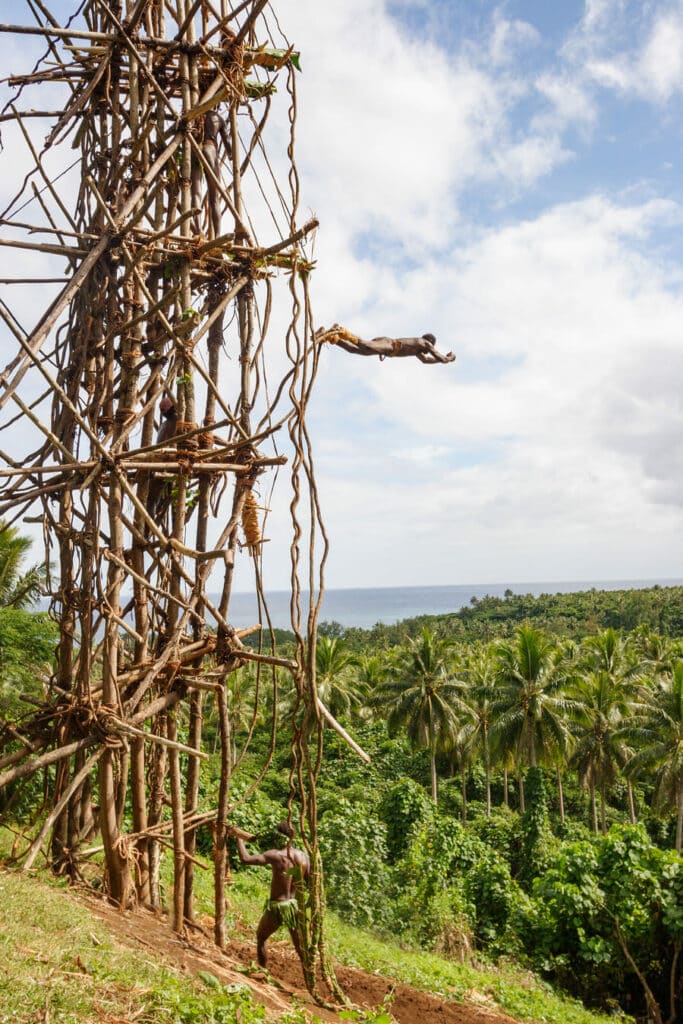
Land ownership in Vanuatu is deeply rooted in the country’s history and cultural practices. Traditionally, land was communally owned, with rights to usage and ownership passed down through generations within families and communities. This collective approach to land ownership reflects the strong cultural ties that Ni-Vanuatu have to their land and emphasizes the importance of communal stewardship.
The colonial history of Vanuatu, initially known as the New Hebrides, introduced external legal frameworks that impacted land ownership practices. Under British and French colonial rule, private land ownership was established, leading to a complex blend of customary and formal legal systems. Following independence in 1980, Vanuatu sought to balance traditional practices with modern legal frameworks, resulting in a unique land tenure system.
Understanding the Land Tenure System
The land tenure system in Vanuatu primarily consists of three categories: customarily owned land, state land, and freehold land. Most land in Vanuatu is held under customary ownership, where rights are determined by traditional laws and customs. This category encompasses about 90% of the land in Vanuatu and involves complexities in terms of rights, usage, and transfers.
State land, on the other hand, is owned by the government and can be leased to private individuals or companies. This land is often available for commercial development, agriculture, and infrastructure projects. Freehold land is the rarest category, where a title can be bought and owned outright, subject to local laws.
Land Ownership Rights: Customary vs. Legal
One of the most significant aspects of Vanuatu’s land ownership is the dichotomy between customary rights and legal rights. Even if someone holds a formal legal title to land, they must negotiate and recognize the rights of the customary owners. This aspect underscores the importance of understanding local customs and the potential need for negotiations with traditional land-holding groups.
Customary land rights are governed by the principles of lineage and kinship, meaning that many individuals may have a claim to the same parcel of land, based on their ancestry or communal ties. Therefore, prospective land buyers must conduct thorough research and engage with local communities to navigate the complexities of land ownership effectively.
Buying Land in Vanuatu: Key Considerations
If you are considering purchasing land in Vanuatu, understanding the essential considerations in the buying process is crucial. Here are some key points to keep in mind:
- Legal Framework: Familiarize yourself with Vanuatu’s land laws, including the Land Leases Act and the Customary Land Management Act. Hiring a local lawyer can provide invaluable guidance.
- Community Engagement: Engage with local communities and traditional landowners to respect their rights and gain support for your intentions. This is not only a legal necessity but also a matter of ethical practice.
- Conduct Due Diligence: Ensure that you conduct thorough due diligence on the land you are interested in. Investigate any existing claims, potential disputes, and the land’s zoning classification.
- Understanding Lease Arrangements: For state land, be aware of the lease arrangements, which can vary in duration and terms. Ensure that any agreement aligns with your intended use of the property.
Investment Opportunities
Despite the complexities involved in land ownership in Vanuatu, the archipelago presents numerous investment opportunities. The tourism sector is one of the most dynamic areas, with increasing demand for resorts, vacation homes, and eco-tourism ventures. Additionally, agriculture, particularly in sustainable practices, offers avenues for growth and positive environmental impact.
Foreign investors interested in buying land must navigate the legal landscape carefully and ensure they are complying with Vanuatu’s investment regulations. The government encourages foreign investments, particularly in tourism and agriculture, recognizing their potential to contribute to the local economy and job creation.
Challenges and Concerns
While there are opportunities, potential investors should also be aware of challenges and concerns. The complexities of customary land ownership can result in disputes and conflicts, especially if not managed effectively. Moreover, the legal framework is still evolving, and changes can impact land investments.
Environmental concerns and the impact of climate change on Vanuatu’s land also pose challenges for land ownership and development. Rising sea levels and natural disasters necessitate a careful approach to land use and development, particularly in coastal areas.
The Future of Land Ownership in Vanuatu
Looking ahead, the future of land ownership in Vanuatu will likely continue to evolve as the country balances traditional practices with modern economic demands. The challenges presented by climate change and sustainable development will necessitate innovative solutions that respect both customary rights and the need for economic growth.
As global interest in Vanuatu increases, understanding the nuances of land ownership will be essential for both local and foreign stakeholders. By engaging with communities, respecting traditional practices, and navigating the legal framework thoughtfully, investors can contribute positively to Vanuatu’s future.
Conclusion
Vanuatu’s land ownership system is a blend of tradition and modernity, reflecting the country’s unique cultural heritage. For anyone considering buying land in this picturesque island nation, it is essential to approach with respect, awareness, and thorough understanding. By doing so, you can not only secure a piece of Vanuatu but also become part of its rich tapestry of life.